
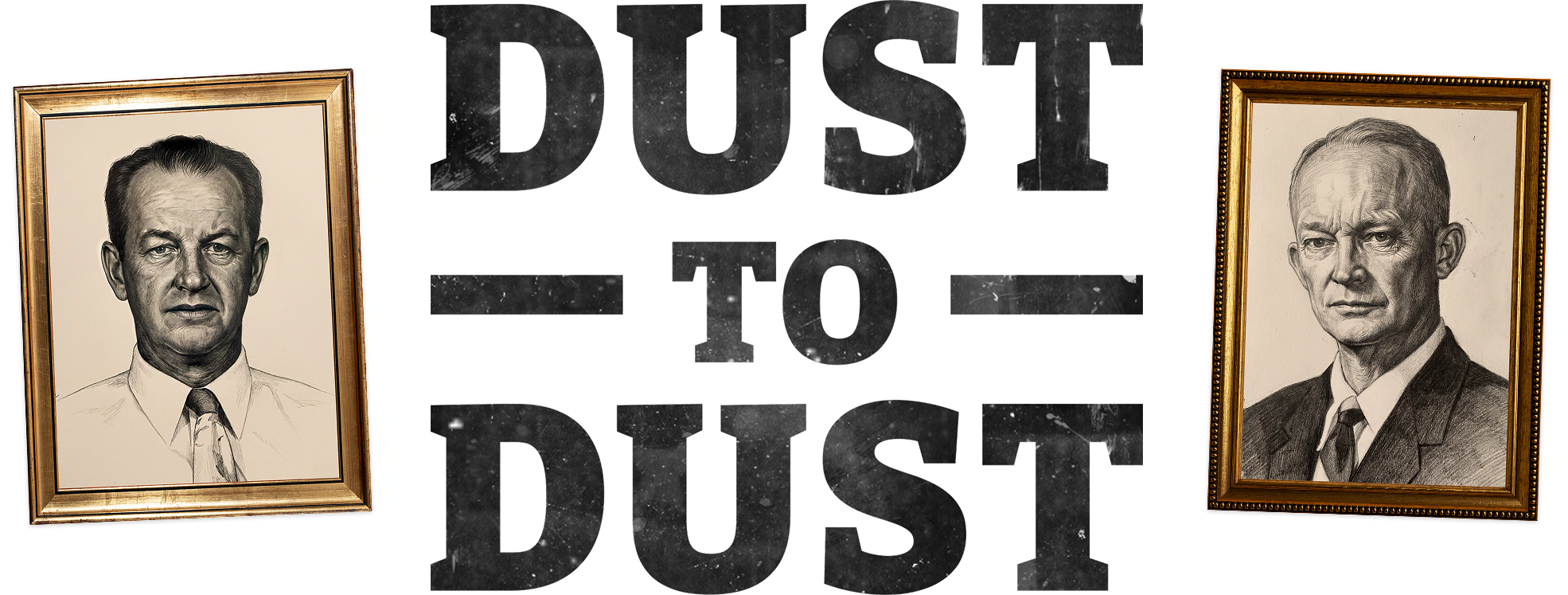

a feliciana films documentary production
The story of the two men who took down corporate America’s lethal asbestos industry
Exhibit a: the trailer
The story
Dust to Dust is the visceral, untold story of a dying worker and a relentless lawyer who fought their way to a victory neither of them would live to see. This rare triumph of justice serves as a reminder that behind every dry legal precedent is a human story of grit, sacrifice, and the refusal to let the giants remain untouchable.
Exhibit a: the trailer
The story
Dust to Dust is the visceral, untold story of a dying worker and a relentless lawyer who fought their way to a victory neither of them would live to see. This rare triumph of justice serves as a reminder that behind every dry legal precedent is a human story of grit, sacrifice, and the refusal to let the giants remain untouchable.
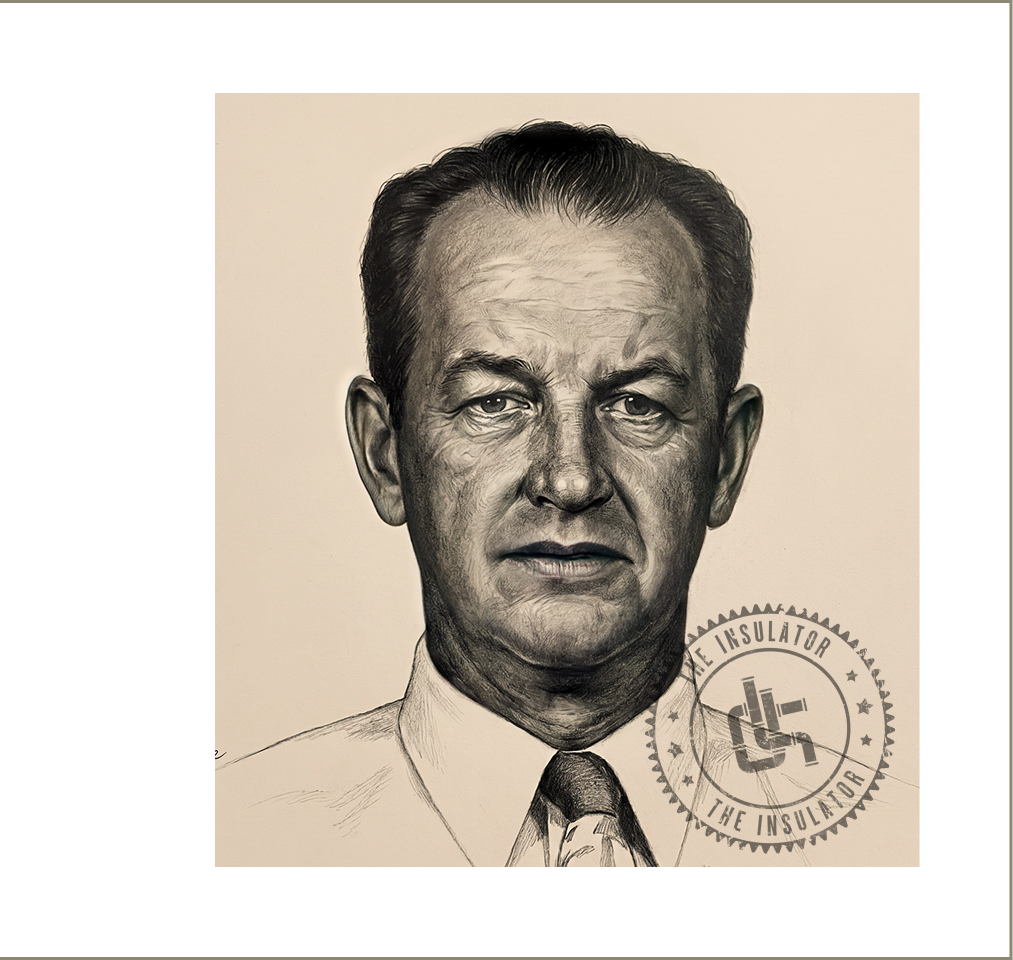
Exhibit B: Clarence borel
the insulator
In the smog-choked industrial heart of Southeast Texas, Clarence Borel spent decades as an insulator, breathing in the clouds of supposedly safe asbestos dust that would eventually take his life. But his death in 1970 wasn’t the end — it was the catalyst for Borel v. Fibreboard, the landmark civil case that forever dismantled the corporate defense of “we didn’t know.”
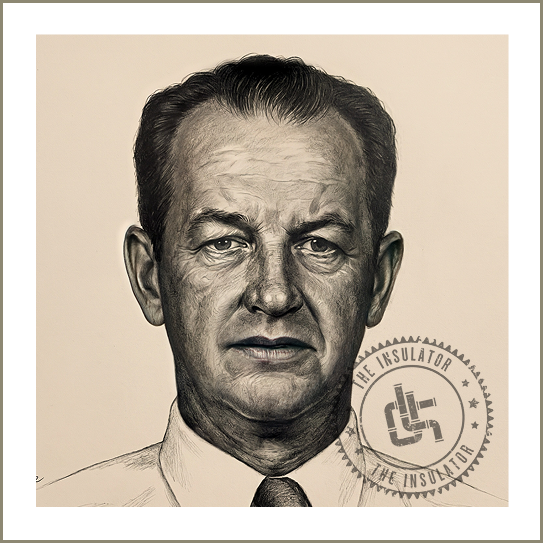
Exhibit b: clarence borel
the insulator
In the smog-choked industrial heart of Southeast Texas, Clarence Borel spent decades as an insulator, breathing in the clouds of supposedly safe asbestos dust that would eventually take his life. But his death in 1970 wasn’t the end — it was the catalyst for Borel v. Fibreboard, the landmark civil case that forever dismantled the corporate defense of “we didn’t know.”
Exhibit c: ward stephenson
the lawyer
A sharp-witted trial lawyer from Orange, Texas, Ward Stephenson was the architect of one of the most significant legal shifts in American history. When he took on Clarence Borel’s case, he wasn’t just fighting a local lawsuit; he was challenging an entire industry that had avoided accountability for decades. Stephenson ended up doing what many thought impossible: He successfully argued that asbestos manufacturers were strictly liable for failing to warn workers about the lethal dangers of their products, and in doing so, he proved that no giant is too big to fall.
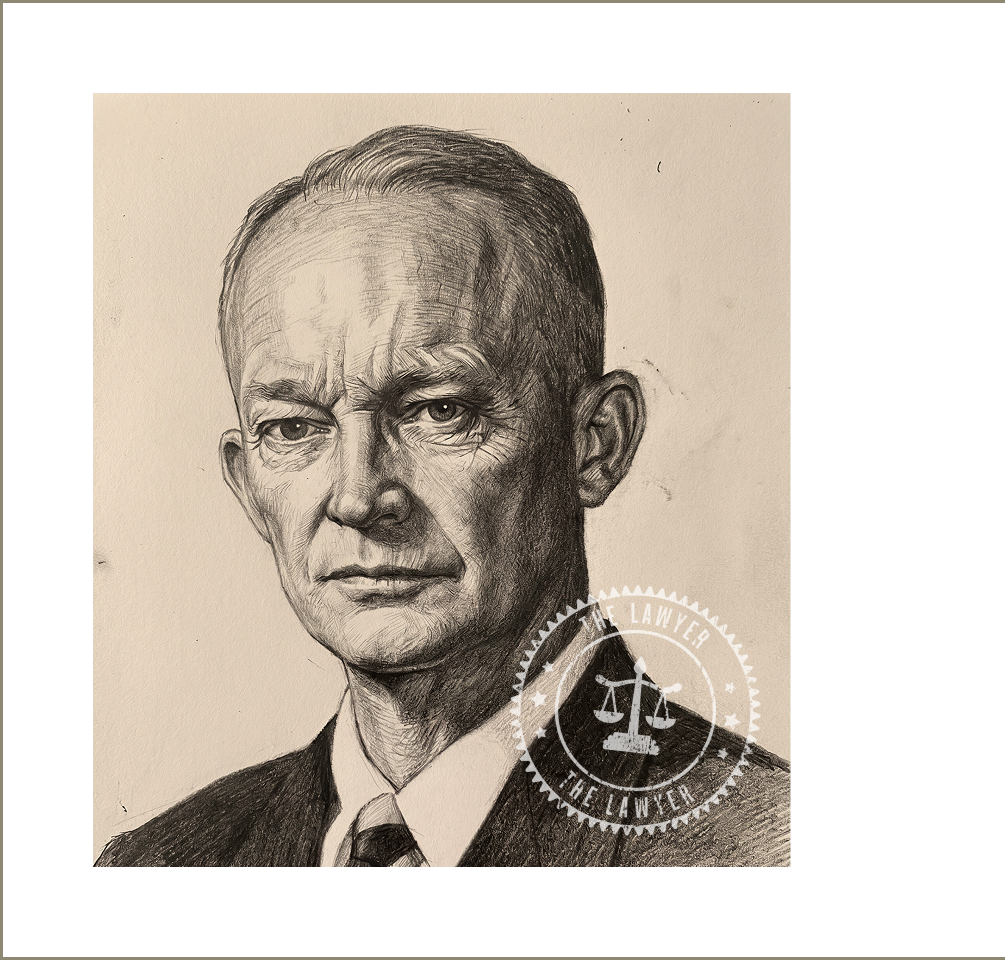
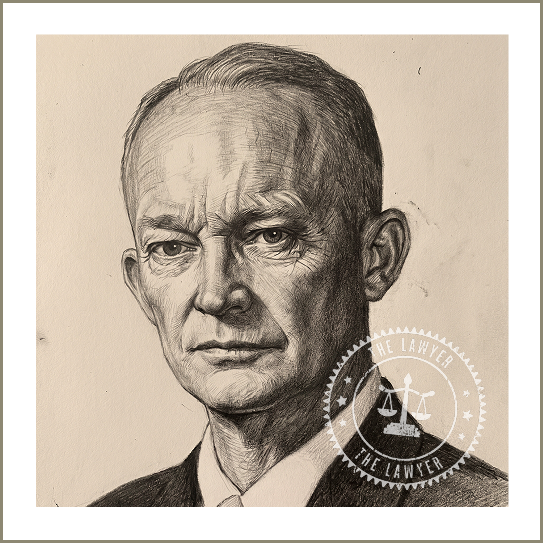
Exhibit c: ward stephenson
the lawyer
A sharp-witted trial lawyer from Orange, Texas, Ward Stephenson was the architect of one of the most significant legal shifts in American history. When he took on Clarence Borel’s case, he wasn’t just fighting a local lawsuit; he was challenging an entire industry that had avoided accountability for decades. Stephenson ended up doing what many thought impossible: He successfully argued that asbestos manufacturers were strictly liable for failing to warn workers about the lethal dangers of their products, and in doing so, he proved that no giant is too big to fall.
exhibit D: the family’s account
hear from the borel family

John Albert Erickson
Borel’s son-in-law
“after it came out that asbestos was bad for you, they never required us to wear anything”

Brenda borel Erickson
Borel’s daughter
“My daddy is not the kind of person that would ever sue anybody… he just isn’t that kind of person”

Mary Lynne Borel
Borel’s daughter-in-law
“they wanted to try to say it was caused from smoking, but he had never smoked…”
exhibit e: the legal perspective
hear from those close to the case

paul d. henderson, attorney
former clerk to Judge Joseph J. Fisher
“[Borel’s attorneys] were true lawyers, I would say… even though they were in a small town, they were big-time lawyers.”

marcelle leblanc hickey
stephenson’s widow
“Look where we are today. Asbestos workers are finally getting the compensation they deserve”
Exhibit f: the motive
why we need to tell this story
Telling the story of Borel v. Fibreboard is essential because it marks the moment the legal “Goliath” of corporate negligence finally met its “David” in a dying Texas insulator and his tenacious lawyer. We’re making Dust to Dust as an important reminder that modern safety regulations and the “duty to warn” weren’t born out of corporate kindness — they were the result of hard-won victories etched into law by underdogs who paid the ultimate price.

Exhibit f: the motive
why we need to tell this story
Telling the story of Borel v. Fibreboard is essential because it marks the moment the legal “Goliath” of corporate negligence finally met its “David” in a dying Texas insulator and his tenacious lawyer. We’re making Dust to Dust as an important reminder that modern safety regulations and the “duty to warn” weren’t born out of corporate kindness — they were the result of hard-won victories etched into law by underdogs who paid the ultimate price.
exhibit g: the production crew
meet the team

steve mims | Director
Steve Mims works as a writer and director in Austin, Texas. His award-winning work includes fiction and non-fiction short and feature-length films, music videos, and commercials that have screened internationally in festivals, theatrically, and on television.

mark couhig | producer
Mark St. J. Couhig has been an award-winning reporter, editor and publisher for fifty years, with a career path that included Louisiana, New Mexico and Washington. He now lives and works in Texas.
exhibit h: production status

Archival Discovery
The compilation of the largest archive ever assembled on Borel vs. Fibreboard, including the sole remaining trial transcript.
complete

Interviews
Gathering statements from surviving family members, friends, and environmental and legal experts.
complete

Production
Preparation of the final screenplay. Casting and filming extensive reenactments of the dramatic moments of the courtroom battles fought in Borel vs. Fibreboard.
in progress

Post-Production
Editing, color grading, and scoring the footage. Marketing and distribution with an initial emphasis on film festivals.
pending funding
exhibit h: production status
Archival Discovery
The compilation of the largest archive ever assembled on Borel vs. Fibreboard, including the sole remaining trial transcript.
complete

Interviews
Gathering statements from surviving family members, friends, and environmental and legal experts.
complete
Production
Preparation of the final screenplay. Casting and filming extensive reenactments of the dramatic moments of the courtroom battles fought in Borel vs. Fibreboard.
in process

Post-Production
Editing, color grading, and scoring the footage. Marketing and distribution with an initial emphasis on film festivals.
pending funding
Help us tell this story
We’re looking for investors to help us fund the production of this incredible project. Please reach out to Producer Mark Couhig at mcouhig@gmail.com to to learn more about this project and the benefits available to investors.
Feliciana Films, LLC
mcouhig@gmail.com
seguin, tx 78155
(210) 570-3854